

>> To Nature and her admirers <<
Inscription at the Liechtenstein Garden Palace, Vienna 9
Long before the opening of Sparbach Nature Park in 1962, the area around Sparbach and the Liechtenstein estates were the subject of extensive landscaping for the edification and recreation of the people.
Prince Johann I of Liechtenstein acquired the Johannstein-Sparbach estate in 1808. From 1812 onwards, a game reserve was established around Sparbach Castle, which had been built in 1810; this was enclosed by walls and, in places, palisades. Fallow deer, roe deer, red deer and wild boar were introduced into the fenced-off area. The magnificently landscaped viewing and wildlife meadows in the area were complemented by romantic decorative structures, such as the triumphal arch on the Dianawiese and the ruins of the charcoal burner’s cottage. This Vienna Woods landscape, designed in the spirit of Romanticism, attracted many Viennese, including Ferdinand Raimund, Georg Ferdinand Waldmüller and Nikolaus Lenau.
Parks and gardens reflect the spirit of an era – they are a mirror of society, the political situation and humanity’s relationship with nature. As a counter-movement to Baroque gardens with their strict formal arrangements, the landscape garden emerged in England in the 18th century. English gardens are regarded as staged landscapes – three-dimensional, walk-in paintings whose purpose is to help nature express itself at its most beautiful.
Austria’s first nature park
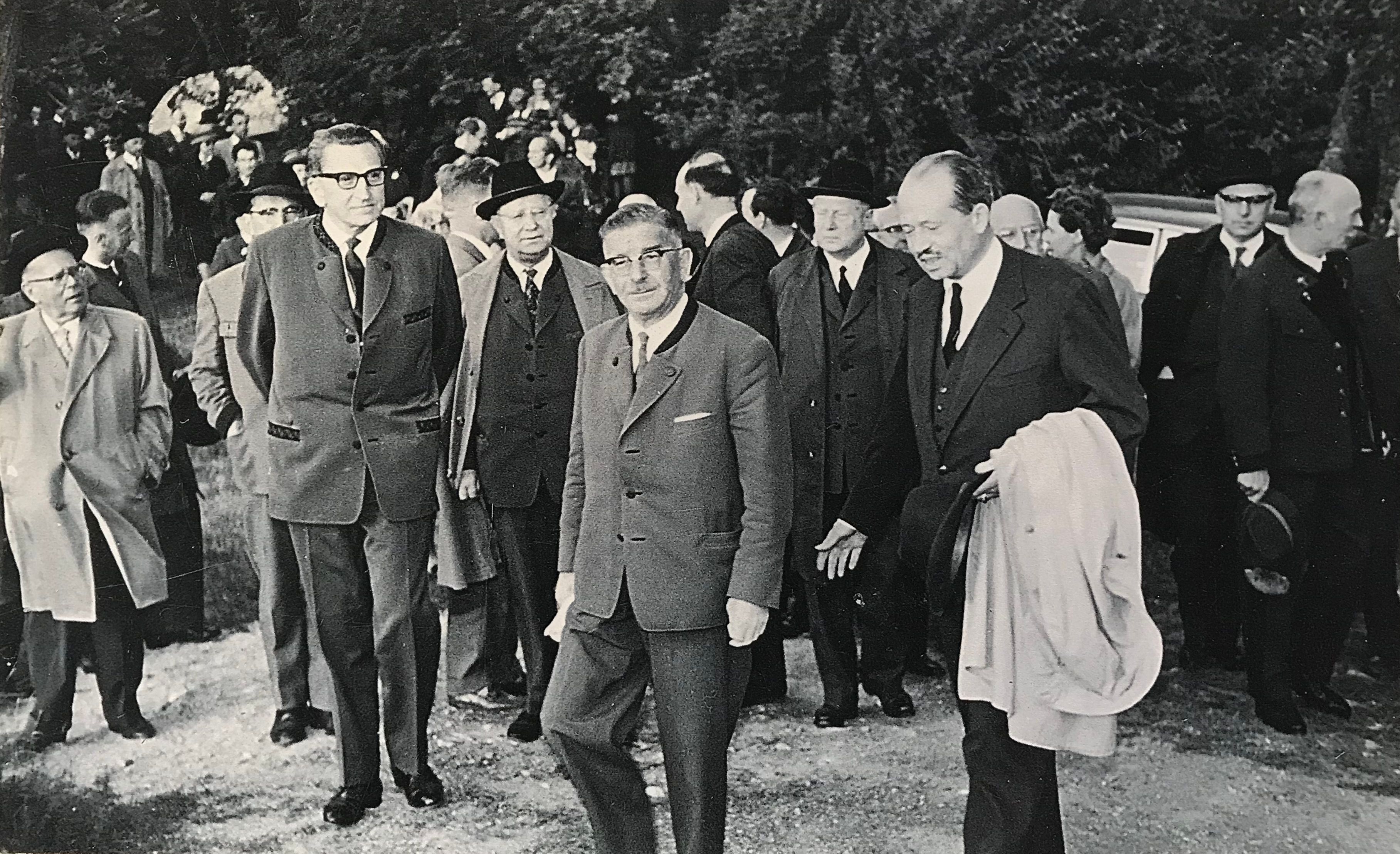
The war and post-war period had taken a heavy toll on the facilities of the Tiergarten. Large sections of the walls had been destroyed, and the wildlife population had been almost wiped out. In 1958, the Lower Austrian provincial government and the Princely Lichtenstein Administration took the initiative to establish Austria’s first modern nature park on the site of the former Tiergarten.